
In today’s digital world, unknown phone numbers have become a major concern for smartphone users, businesses, and cybersecurity experts. Numbers like 9253612736 are often searched online because people want to know whether a caller is legitimate, suspicious, or potentially linked to spam activity. The rapid increase in robocalls, phishing scams, telemarketing campaigns, and spoofed caller IDs has changed how people interact with phone calls and text messages. Instead of answering every incoming call, users now rely on reverse phone lookup services, caller identification tools, and spam reporting platforms to verify unknown numbers before responding.
Phone number intelligence has become an important part of online safety and personal security. Reverse lookup platforms analyze public records, telecom databases, user reports, carrier information, and spam complaints to help users identify who may be calling them. Modern caller identification apps also use machine learning and community reporting systems to flag suspicious behavior and block harmful calls automatically. As a result, searches for numbers such as 9253612736 have become common among people trying to avoid scams, unwanted telemarketing, and fraudulent communication attempts.
What Is 9253612736 and Why Are People Searching It?
The keyword 9253612736 appears to represent a phone number that users may be investigating through reverse phone lookup tools or spam detection services. In recent years, online searches for unknown phone numbers have increased dramatically because consumers are more cautious about answering calls from unfamiliar numbers. Fraudsters and robocall operators frequently use fake caller IDs, local area codes, and automated dialing systems to trick users into answering calls or revealing sensitive information.
When users receive missed calls or suspicious text messages from numbers like 9253612736, they often turn to reverse phone lookup websites to gather information. These platforms attempt to identify the caller’s location, carrier, line type, and possible ownership details. Some services also include spam ratings, community comments, and scam warnings submitted by other users who may have received similar calls.
Phone number investigations are now part of everyday cybersecurity awareness. People no longer trust unknown calls automatically because scam operations have become increasingly sophisticated. Criminals frequently impersonate banks, delivery companies, government agencies, and customer support teams to manipulate victims into providing passwords, financial information, or verification codes. Searching unknown numbers online has therefore become an important step in protecting personal data and avoiding fraud.
How Reverse Phone Lookup Technology Works
Reverse phone lookup technology works by collecting and organizing information associated with phone numbers from multiple public and commercial sources. When someone searches a number such as 9253612736, lookup systems analyze telecom carrier records, public databases, user-submitted reports, and digital identity information to generate a caller profile.
Some reverse phone lookup services focus primarily on caller identification and spam detection, while others offer detailed background information. Platforms such as NumLookup and Truecaller provide information including caller names, geographic regions, spam reports, and carrier details when available. These systems often rely on massive databases containing millions of phone numbers and user-generated reports.
Many modern caller identification platforms use artificial intelligence to improve spam detection accuracy. Machine learning algorithms analyze calling behavior patterns, complaint frequency, and network activity to determine whether a number is likely associated with robocalls or scam operations. Community reporting systems also strengthen detection accuracy because users can flag suspicious calls and help warn others about dangerous numbers.
The effectiveness of reverse phone lookup services varies depending on the type of phone number involved. Landline numbers are generally easier to identify because they are often connected to public records. Mobile numbers and VoIP numbers can be more difficult to trace because scammers frequently change numbers or use temporary internet-based calling systems to avoid detection.
The Rise of Robocalls and Phone Scams
Robocalls have become one of the most widespread communication security problems worldwide. Automated calling systems allow scammers and telemarketers to place thousands of calls every hour at very low cost. These systems often use prerecorded messages or AI-generated voices to target large numbers of people simultaneously.
Cybercriminals use robocalls for many fraudulent activities, including fake bank alerts, technical support scams, debt collection fraud, insurance scams, and cryptocurrency investment schemes. Some scams attempt to create urgency by claiming that the victim’s account has been compromised or that immediate payment is required to avoid legal consequences.
One of the reasons people search numbers like 9253612736 is because scam calls have become increasingly difficult to identify. Fraudsters use local area codes and spoofed caller IDs to make calls appear trustworthy. This tactic increases the chances that users will answer calls from unfamiliar numbers.
Research into scam prevention shows that many consumers now ignore unknown calls entirely unless the caller leaves a voicemail or can be verified through a reverse lookup system. This shift in behavior demonstrates how spam calls and robocalls have fundamentally changed modern communication habits.
Caller ID Spoofing and Fake Number Technology
Caller ID spoofing is one of the most common methods used by scammers today. Spoofing allows criminals to falsify the phone number displayed on a recipient’s device. As a result, scam calls may appear to come from legitimate businesses, government agencies, banks, or even local numbers that resemble the victim’s own area code.
Spoofing technology has become easier to access because many internet-based VoIP systems allow users to manipulate caller ID information. Criminals exploit this weakness to increase the credibility of their scams. In many cases, the displayed number does not belong to the scammer at all but to an unrelated individual or organization.
Users searching for numbers such as 9253612736 may discover that the number itself is legitimate, but the call could still have been spoofed by a scammer. This is why cybersecurity experts warn against trusting caller ID information alone. Reverse lookup services and spam reporting platforms can help identify patterns of suspicious activity, but they cannot always confirm the true origin of a spoofed call.
Telecom providers and regulators have introduced authentication frameworks such as STIR/SHAKEN to reduce spoofing attacks. These systems verify whether calls originate from authorized networks, helping carriers identify fraudulent traffic more effectively. However, scammers continue adapting their methods, meaning users must remain cautious when handling unknown calls.
Why Reverse Phone Lookup Services Are Popular
Reverse phone lookup platforms have become extremely popular because they provide a convenient way to investigate unknown callers quickly. Many users search numbers online immediately after receiving missed calls or suspicious messages. This helps them determine whether the call was likely important, harmless, or potentially fraudulent.
Services such as Truecaller, Spy Dialer, NumberGuru, and Sync.me allow users to search phone numbers and view available information about the caller. Depending on the platform, users may see spam reports, caller names, geographic locations, carrier details, and user comments related to previous calls from the same number.
Community-based reporting systems are especially important because they help identify new scam campaigns rapidly. If multiple users report a phone number for robocalls or fraud attempts, the system can flag the number as suspicious and warn future recipients automatically.
Online discussions about reverse lookup services also reveal common frustrations among users. Many people complain that some “free” lookup websites provide only partial information before requesting payment for complete results. Reddit discussions frequently highlight concerns about inaccurate databases, misleading pricing, and privacy risks associated with some lookup platforms.
How Spam Detection Apps Protect Smartphone Users
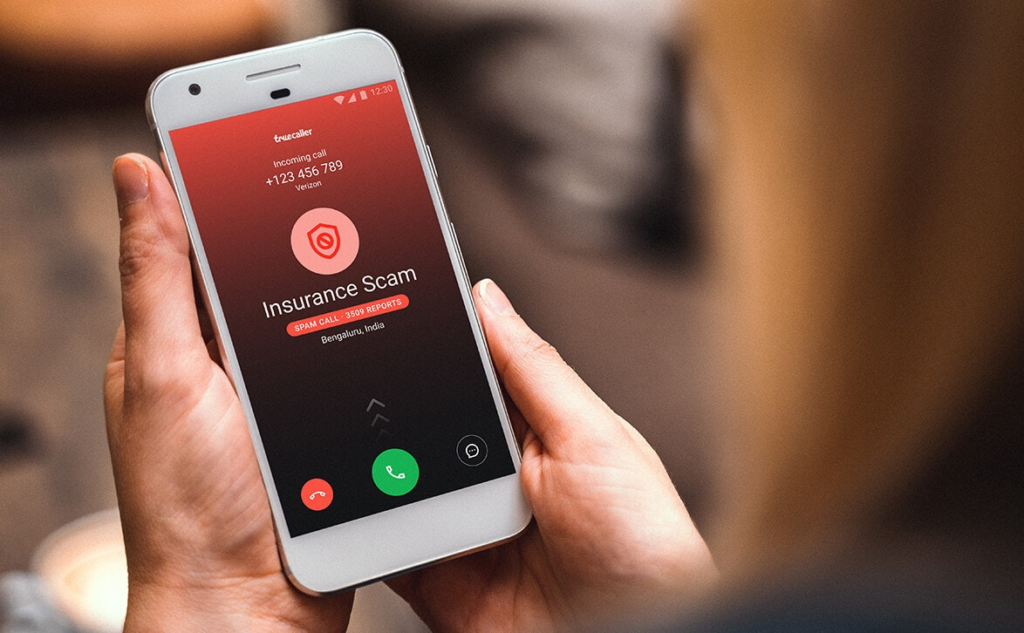
Spam detection apps have become an essential part of smartphone security. Applications such as Truecaller and Sync.me continuously monitor incoming calls and compare phone numbers against massive spam databases. If a number has been reported repeatedly for suspicious activity, the app can display warnings or block the call automatically.
Modern spam detection systems use artificial intelligence and behavioral analysis to identify robocall patterns. These systems examine call frequency, user reports, telecom metadata, and calling behavior to determine whether a number may be associated with spam campaigns or fraud operations.
Many smartphones now include built-in spam filtering features as well. Android and iPhone devices can silence unknown callers, block suspicious numbers, and display spam alerts during incoming calls. Telecom providers also offer scam protection services designed to reduce robocalls and phishing attempts.
Despite these advancements, no spam detection system is perfect. Scammers frequently change numbers, rotate VoIP accounts, and spoof caller IDs to bypass filtering systems. This is why cybersecurity experts recommend combining spam filtering tools with cautious communication habits and independent verification practices.
The Connection Between Phone Numbers and Cybersecurity
Phone numbers have become important targets in modern cybersecurity attacks. Criminals often use phone calls and text messages as entry points for phishing schemes, identity theft, and social engineering attacks. Instead of exploiting software vulnerabilities directly, these attacks manipulate human behavior to gain access to sensitive information.
SMS phishing, commonly called smishing, has become especially dangerous. Fraudulent text messages often pretend to be from banks, delivery services, or online platforms. Victims may receive fake alerts asking them to click malicious links, verify accounts, or provide payment information. Unknown numbers such as 9253612736 may therefore raise concerns about possible smishing campaigns.
Phone-based fraud is effective because people tend to trust voice communication more than email. Scammers exploit this trust by sounding professional and creating a sense of urgency. Many victims reveal personal information without realizing they are speaking to criminals.
Cybersecurity experts strongly recommend verifying unknown callers independently before sharing sensitive information. Searching suspicious numbers online, checking official company contact details, and avoiding direct responses to unexpected messages are all important steps in reducing risk.
Community Reporting and Online Scam Awareness
Community reporting systems play a major role in scam prevention and phone number intelligence. Reverse phone lookup websites often rely on user-submitted reports to identify spam callers and fraudulent activity. When people report suspicious numbers, the information helps protect others from similar scams.
Crowdsourced reporting systems allow rapid identification of robocall campaigns and phishing attempts. If hundreds of users report a number for fraudulent behavior, spam detection platforms can quickly flag the number and warn future recipients. This collaborative approach improves public awareness and strengthens digital safety.
Reddit communities and online forums also contribute significantly to scam awareness. Users regularly discuss suspicious numbers, fake technical support calls, and robocall tactics. Some discussions reveal how scammers rotate through multiple spoofed numbers to avoid detection and bypass spam filters.
Community intelligence is especially valuable because scam campaigns evolve rapidly. Telecom providers and law enforcement agencies often cannot respond immediately to emerging threats, but crowdsourced reporting platforms help users share warnings and identify dangerous numbers quickly.
Best Practices for Handling Unknown Numbers Safely
Handling unknown phone numbers safely requires caution and awareness. Security experts generally recommend avoiding calls from unfamiliar numbers unless the caller leaves a legitimate voicemail or message. Many robocall systems are designed to confirm active numbers when users answer, increasing the likelihood of future spam calls.
Users should never share passwords, banking information, verification codes, or personal identification details during unsolicited calls. Legitimate organizations rarely request sensitive information unexpectedly through phone calls or text messages. Independent verification through official customer service channels is always safer.
Blocking suspicious numbers can reduce repeated spam activity, although spoofing technology means scammers may simply switch to different numbers. Smartphone spam filters, reverse phone lookup apps, and telecom security services help reduce unwanted communication significantly. Reporting scam calls to spam databases also improves protection for other users.
Consumers should also avoid clicking links received in suspicious text messages. Many phishing campaigns use fake delivery notices, account alerts, or payment warnings to lure victims into malicious websites designed to steal credentials or financial information.
The Future of Reverse Phone Lookup and Call Security
The future of reverse phone lookup technology will likely involve stronger artificial intelligence systems, improved telecom authentication protocols, and better fraud detection algorithms. As robocall campaigns become more sophisticated, phone security systems must evolve continuously to keep pace with emerging threats.
Artificial intelligence already plays a major role in modern spam detection systems. Machine learning platforms can analyze call behavior patterns, telecom metadata, and user reports in real time to identify suspicious activity rapidly. Future systems may become even more accurate as telecom providers integrate AI directly into communication networks.
Privacy concerns will also shape the future of caller identification technology. Many users worry about how reverse lookup platforms collect and store personal information. Some online discussions criticize certain lookup services for inaccurate data, excessive subscription fees, or questionable privacy practices.
Despite these concerns, reverse phone lookup systems will remain important because unknown calls continue to pose significant security risks. Numbers such as 9253612736 represent the broader challenge of balancing open communication with digital safety in an increasingly connected world.
Conclusion
The number 9253612736 reflects the growing importance of reverse phone lookup systems, scam detection technology, and caller identification tools in modern communication. Unknown calls and text messages have become common sources of fraud, phishing attempts, robocalls, and identity theft schemes. As a result, consumers increasingly rely on spam detection apps, reverse lookup platforms, and community reporting systems to verify callers before responding.
Technologies such as caller ID verification, AI-powered spam filtering, VoIP analysis, and crowdsourced reporting have significantly improved phone security. However, scammers continue adapting their tactics through spoofing, robocall automation, and social engineering techniques. This ongoing battle between cybersecurity systems and fraud operations highlights the importance of user awareness and cautious communication habits.
By understanding how reverse phone lookup services work and by practicing safe communication strategies, users can reduce their exposure to scams and protect their personal information more effectively. As phone security technology continues evolving, informed consumers will remain better prepared to identify suspicious numbers and avoid becoming victims of digital fraud.