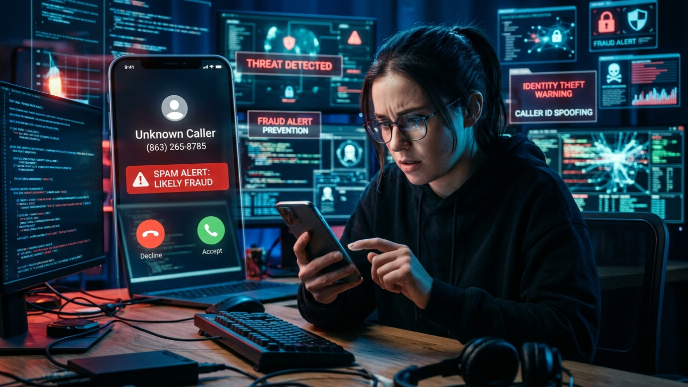

Unknown phone calls have become one of the most common digital concerns for smartphone users. Every day, millions of people receive calls from unfamiliar numbers, leading them to search online for information before answering or returning the call. One phone number that has generated attention is 8632658785. People who receive calls from this number often look for details to determine whether the caller is genuine, a telemarketer, a robocall service, or a possible scam operation. The growing number of online searches for unfamiliar phone numbers reflects how cautious people have become about digital communication and personal security.
In recent years, 8632658785 phone scams have increased significantly across many countries. Fraudsters use advanced calling systems, caller ID manipulation, automated dialing technology, and social engineering tactics to target individuals. Because of these risks, many users now investigate unknown numbers before engaging with them. Searching a phone number online has become a normal safety practice that helps people avoid unwanted calls, spam messages, identity theft attempts, and financial fraud. Understanding how numbers such as 8632658785 are investigated can help users make informed decisions and reduce potential risks.
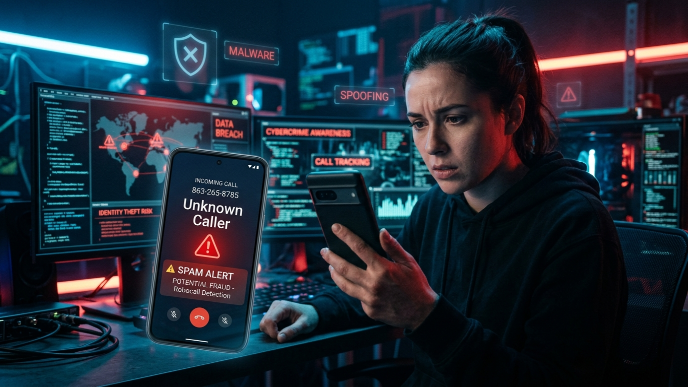
Why People Search for 8632658785 Online
The most common reason people search for 8632658785 is after receiving a missed call or unexpected incoming call. When a number is unfamiliar and no voicemail is left, curiosity and caution usually lead people to look for information online. In many cases, users want to know whether others have received similar calls and whether any suspicious activity has been reported. This type of behavior has become increasingly common as scam awareness grows worldwide.
Phone number searches also help users identify patterns. If multiple people report receiving repeated calls from the same number, it may indicate telemarketing activity, robocalls, spam campaigns, or attempted fraud. Community-based reporting platforms allow users to share their experiences, creating valuable databases that help others determine whether a number may be trustworthy or potentially problematic. These reports often become one of the first resources people check when investigating unknown callers.
Understanding the Rise of Spam Calls and Robocalls
Spam calls have become a major issue for mobile phone users. Automated dialing systems can generate thousands of calls within a short period, allowing organizations and scammers to reach large numbers of people efficiently. Some calls are used for marketing campaigns, surveys, and promotional offers, while others are designed to deceive recipients into sharing sensitive information. The widespread availability of automated calling technology has contributed significantly to the increase in unwanted phone activity.
Robocalls often use prerecorded messages that attempt to create urgency or attract attention. Recipients may hear warnings about bank accounts, tax issues, package deliveries, or account verification requests. These messages are designed to encourage quick action before the recipient has time to verify the legitimacy of the call. Because robocalls can be generated at such large scales, even a small success rate can make them profitable for scammers.
Could 8632658785 Be Connected to Phone Scams
Whenever an unknown number receives repeated searches online, some users naturally wonder whether it could be linked to scam activity. However, a phone number alone does not automatically prove fraudulent behavior. Many legitimate businesses, service providers, and organizations contact customers from numbers that recipients may not recognize. This is why verifying information through reliable sources is important before making assumptions.
At the same time, caution remains necessary because scammers frequently use unknown numbers to contact potential victims. Fraudulent callers may pretend to represent financial institutions, government agencies, delivery companies, insurance providers, or technical support services. Their goal is usually to gain trust quickly and obtain valuable information such as passwords, verification codes, banking details, or personal identification data. Understanding these tactics helps users recognize suspicious behavior and respond appropriately.
Caller ID Spoofing and How It Works
One major challenge in identifying unknown callers is caller ID spoofing. This technology allows callers to display a different phone number from the one actually being used. Scammers frequently rely on spoofing to hide their identity and make calls appear more trustworthy. In some cases, they even use local area codes or numbers that resemble legitimate organizations to increase the likelihood of someone answering.
Because of caller ID spoofing, the real owner of a number may have no connection to suspicious calls. Innocent individuals and businesses sometimes discover that their phone numbers have been used without permission by scammers operating elsewhere. This makes phone number investigations more complicated because the number displayed on a device may not always reveal the true source of the call. Understanding this issue is essential when evaluating reports related to numbers like 8632658785.
Warning Signs That an Unknown Call May Be Suspicious
Several common warning signs can indicate that an unknown call deserves caution. One of the most significant red flags is when the caller immediately requests sensitive personal information. Legitimate organizations rarely ask for passwords, one-time verification codes, banking credentials, or identification numbers through unsolicited phone calls. Any request for such information should be treated carefully.
Another warning sign involves creating pressure or urgency. Scam callers often attempt to frighten recipients by claiming that accounts have been compromised, payments are overdue, or legal consequences are pending. The goal is to encourage quick decisions before the victim has an opportunity to verify the information independently. Calls that involve threats, aggressive language, or demands for immediate action should always be approached with skepticism.
Reverse Phone Lookup Services and Number Identification
Reverse phone lookup services have become one of the most widely used tools for identifying unknown callers. These platforms collect information from public databases, user reports, spam detection systems, and caller identification networks. By entering a phone number, users may find reports indicating whether the number has been associated with telemarketing activity, robocalls, or suspicious behavior.
Many caller identification platforms rely heavily on community participation. Users submit reports after receiving calls, allowing others to benefit from shared experiences. Over time, this information helps create more accurate databases capable of identifying problematic numbers. While no lookup service can guarantee complete accuracy, these tools provide valuable insights that can help users decide whether a call should be trusted or ignored.
The Psychology Behind Phone Scams
Phone scams are often successful because they exploit human emotions rather than technical vulnerabilities. Fear, urgency, curiosity, and trust are commonly used to manipulate victims into responding quickly. Scammers carefully design conversations to create emotional pressure while reducing opportunities for independent verification. These psychological techniques are known as social engineering and remain among the most effective fraud methods.
For example, a caller may claim that a bank account has been compromised or that unusual activity has been detected. The recipient becomes concerned and may focus more on resolving the perceived problem than verifying the caller’s identity. By understanding how emotional manipulation works, individuals can better recognize suspicious behavior and avoid making impulsive decisions during unexpected phone calls.
How to Respond Safely to Calls From 8632658785
If you receive a call from 8632658785 and do not recognize the number, allowing the call to go to voicemail is often a practical first step. Legitimate callers generally leave messages explaining the purpose of their call and providing contact information. Reviewing a voicemail before responding can help determine whether the communication appears genuine.
If you answer the call and the caller requests personal information, financial details, account credentials, or verification codes, ending the conversation is usually the safest option. Independent verification through official customer service channels, company websites, or trusted contact numbers can help confirm whether the request is legitimate. Taking extra time to verify information significantly reduces the likelihood of falling victim to fraud.
Protecting Yourself From Phone Fraud and Digital Threats
Modern smartphones offer various tools designed to help users avoid spam calls and suspicious communication. Built-in spam filters, caller identification features, and call-blocking applications can reduce exposure to unwanted callers. Mobile carriers also continue developing advanced detection systems that identify potentially fraudulent numbers before calls reach users.
Education remains one of the most effective forms of protection. Individuals who understand common scam tactics are better prepared to identify suspicious behavior and respond appropriately. Staying informed about emerging fraud trends, practicing cautious communication habits, and verifying information independently can dramatically reduce the risk of becoming a victim of phone scams or identity theft attempts.
Why Public Reporting of Unknown Numbers Matters
Community reporting systems play an important role in improving phone security. When users report suspicious calls, they contribute to databases that help identify patterns and warn others about potential risks. These collective efforts strengthen caller identification systems and improve the effectiveness of spam detection technology over time.
Public reports also help researchers, cybersecurity professionals, and communication providers understand how scam operations evolve. As fraudsters develop new techniques, user-generated information becomes increasingly valuable for detecting emerging threats. The more information people share about unknown callers, the easier it becomes for others to determine whether a number may be legitimate or potentially suspicious.
Conclusion
The phone number 8632658785 has attracted online attention because people want to understand whether the caller is genuine, unwanted, or potentially risky. While an unfamiliar number alone does not confirm fraudulent activity, it is always wise to approach unexpected calls carefully. The rise of robocalls, caller ID spoofing, telemarketing campaigns, and phone scams has made number verification an important part of everyday digital safety. Understanding how these systems operate helps users make smarter decisions when dealing with unknown callers.
Investigating unfamiliar numbers, using reverse phone lookup tools, monitoring community reports, and avoiding the sharing of sensitive information can significantly reduce personal risk. As communication technology continues evolving, scammers will likely continue adapting their methods. Remaining informed, cautious, and proactive is one of the most effective ways to protect personal information and maintain security when receiving calls from numbers such as 8632658785.