

Who Was Ron Fujikawa?
Ron Fujikawa was an American individual who gained public attention primarily through his connection to a well-known entertainment family. Although he was not a celebrity himself, his name became widely recognized as the father of musician Danny Fujikawa and the grandfather of Rani Rose Hudson Fujikawa, the daughter of actress Kate Hudson. His life represents a compelling example of someone whose legacy is rooted in family influence rather than public fame.
Unlike many figures associated with Hollywood circles, Ron Fujikawa maintained a private and low-profile lifestyle. His story reflects the importance of personal values, family bonds, and quiet influence. Even with limited public records about his career and achievements, his impact is clearly visible through the admiration expressed by his family members.Early Life and Background
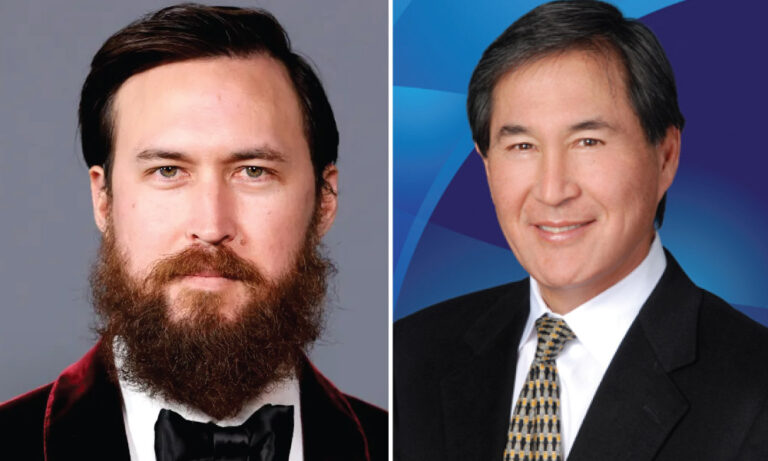
Ron Fujikawa was born on January 21, 1961, in Los Angeles, California. He came from a family with Japanese-American heritage, which played a role in shaping his identity and upbringing. His parents, Yoshihiko Fred Fujikawa and Alice Mae Aoki, were respected members of their community, contributing to a stable and culturally rich environment during his early years.
Growing up in Los Angeles, Ron experienced a diverse cultural landscape that influenced his worldview. Although specific details about his childhood and education remain limited, it is evident that he was raised with strong family values. These values later became a defining aspect of his life and relationships, particularly in how he raised his children.
Family Roots and Heritage
Ron Fujikawa’s heritage is an important part of his identity. Being part of a Japanese-American family, he belonged to a community with a deep historical and cultural background in the United States. This heritage likely influenced his perspective on life, family, and personal responsibility.
His family roots connect him to a broader narrative of Japanese-American experiences in the 20th century. While he did not publicly discuss his heritage in detail, the cultural influence can be seen in the way his family maintains close bonds and values respect and unity. These elements have continued to shape the lives of his children and grandchildren.
Marriage and Personal Life
Ron Fujikawa was married to Melissa Linehan, and together they built a family that remained central to his life. Their relationship, like many others, experienced its share of challenges, and the couple eventually separated. Despite this, Ron remained an active and caring presence in his children’s lives.
His personal life was marked by a strong commitment to family. He prioritized relationships with his children and worked to provide them with support and guidance. This dedication is often highlighted in accounts of his life, suggesting that he valued emotional connection and stability above public recognition or professional achievements.
Children and Relationship with Danny Fujikawa
Ron Fujikawa was the father of three sons, including Danny Fujikawa, who later became a musician and record label founder. Danny is widely known for his relationship with actress Kate Hudson, which brought additional public attention to the Fujikawa family.
Ron’s relationship with his son Danny appears to have been deeply meaningful. Danny has often been described as family-oriented, a trait that likely reflects the values instilled by his father. The strong bond between father and son is further evident in the way Danny honors his father’s memory, particularly through family traditions and personal tributes.
Connection to Kate Hudson and Hollywood
Although Ron Fujikawa was not directly involved in the entertainment industry, his family ties connected him to Hollywood. His son Danny Fujikawa’s relationship with Kate Hudson brought the family into the public eye, introducing Ron’s name to a broader audience.
One of the most touching aspects of this connection is the naming of Kate Hudson and Danny Fujikawa’s daughter, Rani Rose Hudson Fujikawa. The name “Rani,” pronounced “Ronnie,” was chosen in honor of Ron Fujikawa, reflecting the deep respect and love his family had for him. This tribute highlights the emotional impact he had on those closest to him.
Career and Professional Life
Details about Ron Fujikawa’s professional career remain largely private, which aligns with his overall low-profile lifestyle. Some sources suggest that he may have worked in a professional field such as law, but publicly available information is limited and not widely confirmed.
What stands out more than his career is the way he influenced those around him. Rather than being defined by professional achievements, Ron’s legacy is centered on his role as a father and family figure. This perspective challenges the conventional idea that success must be tied to public recognition or career milestones.
Personality and Character
Ron Fujikawa is often remembered as a kind, supportive, and deeply caring individual. Those who knew him describe him as someone who valued relationships and placed great importance on family. His personality was characterized by warmth, humility, and a genuine concern for others.
His ability to maintain a private life while still making a lasting impact speaks to his character. In a world where public attention is often equated with success, Ron’s story offers a refreshing reminder that influence can be quiet yet powerful. His legacy is built on the memories and values he left behind.
Death and Lasting Legacy
Ron Fujikawa passed away on March 23, 2012. His death marked a significant loss for his family, but his memory continues to live on through their stories and tributes. The way his family honors him reflects the deep connection they shared and the lasting impression he made.
His legacy is particularly evident in the next generation. The naming of his granddaughter after him ensures that his influence continues to be remembered and celebrated. This act of remembrance highlights the enduring nature of family bonds and the importance of honoring loved ones.
Influence on Family and Future Generations
Ron Fujikawa’s influence extends beyond his immediate family, shaping the values and perspectives of future generations. His emphasis on family, respect, and emotional connection has been passed down to his children and grandchildren, creating a lasting impact that goes beyond his lifetime.
In many ways, his story represents the idea that true legacy is not measured by fame or wealth but by the relationships we build and the values we pass on. Through his family, Ron’s influence continues to inspire and guide, demonstrating the power of a life lived with purpose and integrity.
Conclusion
Ron Fujikawa may not have been a public figure in the traditional sense, but his life holds meaningful lessons about family, legacy, and personal values. From his early life in Los Angeles to his role as a father and grandfather, his journey reflects a commitment to what truly matters.