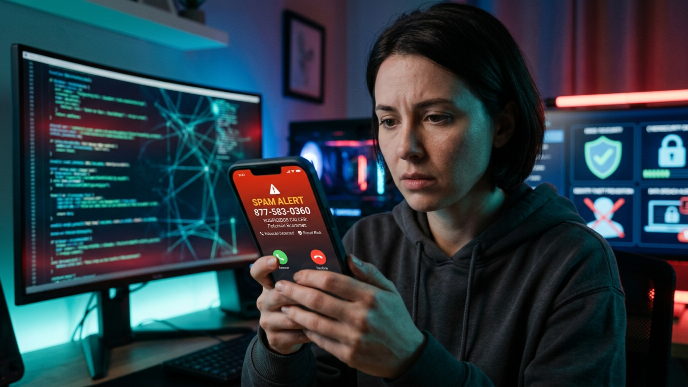

Unknown phone calls have become a regular part of everyday life, and many people now search unfamiliar numbers online before answering or returning a call. One number that has generated attention is 8775830360. Individuals who receive calls from this number often look for information to determine whether it belongs to a legitimate organization, a telemarketing service, a customer support department, or a potential scam operation. The increase in searches for unknown phone numbers reflects a growing concern about communication security, personal privacy, and digital fraud.
The rise of 8775830360 smartphone usage has made communication faster and more convenient, but it has also created opportunities for scammers and robocall systems to reach large numbers of people. Unknown callers can sometimes be harmless, but repeated missed calls, silent calls, automated messages, and suspicious requests often encourage people to investigate further. Understanding how unknown numbers operate and how people identify them can help users protect themselves from spam, fraud, and unwanted communication.
Why People Search for 8775830360 After Receiving a Call
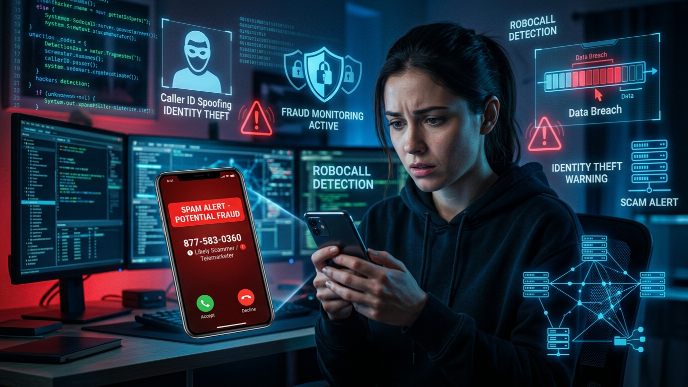
Most searches for 8775830360 happen shortly after someone receives a missed call or unexpected incoming call. When a phone rings from an unfamiliar number and no message is left, curiosity and caution usually lead people to search online for details. Many individuals want to know whether the call was important, accidental, promotional, or potentially dangerous. This behavior has become increasingly common because of the growing number of scam calls reported worldwide.
Online search activity often increases when multiple people receive calls from the same number. Community reporting websites allow users to post comments about their experiences, helping others identify patterns. If several users report repeated calls, robocalls, or suspicious behavior connected to a specific number, future recipients can use that information to decide whether the call should be trusted or ignored.
The Increasing Problem of Spam Calls Worldwide
Spam calls have become one of the biggest communication challenges of the digital era. Modern automated dialing systems can place thousands of calls within minutes, allowing businesses and scammers to contact massive numbers of people efficiently. While some calls come from legitimate marketing campaigns or customer service departments, others are designed to trick recipients into sharing sensitive information or making financial payments.
The growth of spam calling technology has made it difficult for users to distinguish between genuine and fraudulent communication. Many people receive multiple unknown calls every week, leading to frustration and distrust toward unfamiliar numbers. This environment has contributed to the popularity of reverse phone lookup services and caller identification tools that help users investigate suspicious calls before responding.
Understanding How Phone Scams Usually Work
Phone scams often rely more on psychological manipulation than technical sophistication. Fraudsters attempt to create trust, urgency, fear, or curiosity to influence their targets. A caller may pretend to represent a bank, government agency, insurance company, delivery service, technical support provider, or financial institution. By presenting themselves as authority figures, scammers try to convince people that immediate action is necessary.
Many scam calls involve requests for personal information, passwords, account credentials, one-time verification codes, or banking details. Some callers claim that suspicious activity has been detected on an account, while others warn of legal consequences, unpaid bills, or security problems. The objective is usually to pressure the recipient into responding quickly before taking time to verify the information independently.
Caller ID Spoofing and Its Connection to Unknown Numbers
One important factor when investigating calls from 8775830360 is caller ID spoofing. This technology allows callers to display a phone number that may not actually belong to them. Instead of showing their real identity, scammers use software that makes a different number appear on the recipient’s screen. This practice helps fraudsters hide their location and increase the chances of someone answering the call.
Because caller ID spoofing is widely used, the displayed number does not always reveal the true origin of the call. In some situations, innocent individuals and businesses discover that their numbers have been used without permission by scammers operating elsewhere. This means that reports connected to a specific number do not always prove that the actual owner is responsible for suspicious activity. Understanding spoofing helps explain why phone investigations sometimes produce mixed or unclear results.
Common Warning Signs of Suspicious Calls
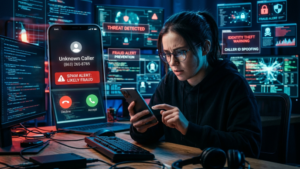
Several warning signs can indicate that an unknown call deserves caution. One of the most common red flags is when a caller immediately requests personal information. Legitimate organizations rarely ask for passwords, account verification codes, banking credentials, or sensitive identification details through unsolicited phone calls. Any request for confidential information should be treated carefully.
Another major warning sign involves pressure tactics. Fraudulent callers often create a sense of urgency by claiming that immediate action is required to avoid penalties, account suspension, financial losses, or legal problems. These tactics are designed to prevent people from verifying the information independently. Calls involving threats, intimidation, unusual payment requests, or aggressive behavior should always be approached with skepticism.
Reverse Phone Lookup Services and Number Identification
Reverse phone lookup platforms have become valuable tools for identifying unknown callers. These services gather information from public records, caller identification databases, spam detection systems, and user-submitted reports. By searching a number such as 8775830360, users may find comments and reports that help determine whether the number has been linked to telemarketing campaigns, robocalls, customer support calls, or suspicious activity.
Many lookup systems depend on community participation. Users contribute information after receiving calls, helping create larger databases that improve caller recognition. Although these platforms cannot guarantee complete accuracy, they often provide useful insights into patterns associated with particular phone numbers. Reviewing multiple sources can help users make more informed decisions about unknown callers.
The Role of Robocalls in Modern Fraud Operations
Robocalls play a significant role in many phone scam operations. Automated systems deliver prerecorded messages to thousands of recipients simultaneously, making large-scale communication inexpensive and efficient. Some robocalls are used for legitimate purposes, including appointment reminders, service notifications, and public announcements. Others are designed specifically to direct recipients toward fraudulent schemes.
Modern scam campaigns frequently combine robocalls with text messages, phishing websites, and email communication. This coordinated approach increases credibility because victims encounter similar messages across multiple channels. Criminal organizations continuously adapt their methods to improve effectiveness and avoid detection. As technology evolves, robocall systems become increasingly sophisticated and more difficult for users to identify immediately.
How to Respond Safely to Calls From 8775830360
If you receive a call from 8775830360 and do not recognize the number, caution is generally the safest approach. Allowing unknown callers to leave a voicemail can provide valuable context about the purpose of the call. Legitimate callers usually leave messages explaining why they are calling and how they can be contacted through official channels.
If a caller requests personal information, account credentials, financial details, or verification codes, it is usually best to end the conversation and verify the request independently. Contacting the organization directly through an official website or customer service number can help confirm whether the communication is genuine. Taking a few extra minutes to verify information can prevent serious financial losses and identity theft problems.
Protecting Personal Information From Phone Fraud
Protecting personal information requires awareness, caution, and good communication habits. Most modern smartphones include built-in spam detection features that warn users about potentially suspicious callers. Additional caller identification applications and mobile carrier protection services can further reduce exposure to unwanted communication and fraudulent calls.
Education remains one of the strongest defenses against phone scams. People who understand common fraud techniques are far less likely to become victims. Scammers often depend on emotional reactions, confusion, and rushed decisions. Individuals who remain calm, verify information independently, and avoid sharing sensitive data over the phone significantly reduce their risk of being targeted successfully.
Why Community Reports Help Identify Unknown Numbers
Community reporting systems have become an important part of digital communication safety. When users report suspicious calls, spam activity, or attempted scams, they help build databases that benefit others. These reports allow phone number lookup platforms to identify patterns, improve spam detection, and provide warnings about potentially risky numbers.
Public participation strengthens caller identification systems and helps researchers understand emerging fraud trends. As more users share information about unknown callers, databases become more accurate and useful. This collective effort creates a stronger defense against phone scams and helps people make safer decisions when receiving calls from unfamiliar numbers.
Conclusion
The phone number 8775830360 has generated online attention because many individuals want to determine whether calls from the number are legitimate, unwanted, or potentially suspicious. While receiving a call from an unfamiliar number does not automatically indicate fraudulent activity, caution remains important. The increasing prevalence of robocalls, caller ID spoofing, telemarketing campaigns, and phone scams has made number verification an essential part of modern communication safety.
Using reverse phone lookup services, reviewing community reports, avoiding the disclosure of sensitive information, and independently verifying requests can significantly reduce personal risk. As communication technology continues to evolve, scammers will likely develop new methods to target individuals. Staying informed, maintaining awareness, and practicing safe communication habits remain some of the most effective ways to protect personal information and avoid becoming a victim of phone fraud associated with unknown numbers such as 8775830360.