
Introduction: Why 111.90.150.282 Is Being Searched Online
The sequence 111.90.150.282 has become a commonly searched term among users who notice it in firewall alerts, server logs, suspicious traffic reports, website analytics dashboards, or cybersecurity notifications. Because the format resembles a standard IPv4 address, many people assume it belongs to a real server, hacker, or internet-connected device. However, technical analysis shows that the situation is more complex than it first appears.
Modern internet infrastructure relies heavily on 111.90.150.282 IP addresses to identify devices and route information between systems. Every website request, online message, streaming session, or cloud connection depends on properly structured IP addresses. As cybersecurity awareness continues to grow, users are increasingly trying to understand unfamiliar IP-like strings that appear in digital environments.
The number 111.90.150.282 is particularly interesting because it appears structurally similar to a legitimate IPv4 address but contains a technical flaw that prevents it from functioning within real-world networking systems. Understanding why this address is invalid requires knowledge of IPv4 formatting rules, IP validation methods, cybersecurity practices, and how malformed data appears in network environments.

Understanding IPv4 Addressing and Internet Communication
IPv4, short for Internet Protocol Version 4, is the most widely used addressing system on the internet. It allows devices such as smartphones, routers, cloud servers, gaming consoles, and laptops to communicate across networks by assigning each device a unique numerical identifier.
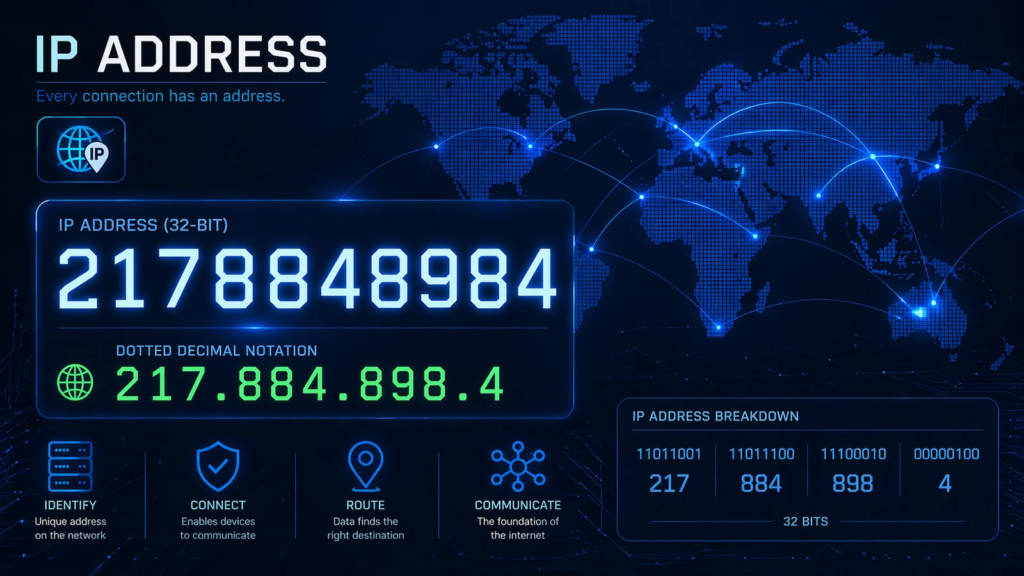
A valid IPv4 address contains four numerical segments separated by periods. These segments are called octets. Each octet must contain a decimal value ranging from 0 to 255 because every octet represents eight binary bits internally. This technical limitation is one of the most important rules in networking infrastructure.
For example, addresses like 192.168.1.1 or 8.8.8.8 are considered valid IPv4 addresses because all octets fall within the acceptable range. If even one octet exceeds 255, the entire address becomes invalid and cannot function in internet routing systems. This validation process is built into operating systems, routers, firewalls, and cloud infrastructure worldwide.
Is 111.90.150.282 a Valid IP Address?
The sequence 111.90.150.282 is not a valid IPv4 address because the final octet, “282,” exceeds the maximum allowed value of 255. According to IPv4 standards, every octet must remain within the range of 0 to 255 without exception.
Although the address visually resembles a legitimate IP address, networking systems would immediately reject it during validation checks. This means the address cannot be assigned to any real internet-connected device, web server, or cloud infrastructure platform.
From a technical perspective, 111.90.150.282 should be classified as a malformed or invalid IP-like string rather than a real routable address. This distinction is important because many users mistakenly assume every dotted numeric format automatically represents an active internet host.
Why Invalid IP Addresses Like 111.90.150.282 Appear in Logs
Malformed IP-like strings frequently appear in server logs, analytics dashboards, intrusion detection systems, and firewall reports. One of the most common reasons is human error during manual configuration or data entry. Accidentally typing “282” instead of a valid octet such as “228” or “242” can instantly create an invalid address.
Software parsing errors are another major cause. Applications that process network data sometimes mishandle imported records, corrupted files, or malformed packets. When systems improperly export or store network information, invalid IP addresses can appear in reports even though no legitimate network connection exists.
Cybersecurity testing environments may also intentionally generate malformed addresses to evaluate firewall behavior and input validation systems. Developers often use invalid IP strings to ensure applications reject malformed input properly and remain secure against unexpected data patterns.
The Importance of IP Validation in Cybersecurity
IP validation is a critical component of internet security and networking reliability. Every major operating system, firewall, cloud platform, and security application includes validation mechanisms that verify whether IP addresses follow official IPv4 standards.
Without strict validation, malformed network data could cause routing failures, application instability, or security vulnerabilities. Invalid addresses are therefore rejected automatically before network communication occurs. This process helps maintain internet stability and prevents corrupted traffic from affecting digital systems.
Cybersecurity systems also use IP validation to identify suspicious activity patterns. Attackers occasionally send malformed network data to test weak validation logic in vulnerable applications. Because of this possibility, security professionals investigate malformed IP entries carefully even when they are technically invalid.
Can Invalid IP Addresses Be Linked to Cyber Threats?
An invalid IP address is not automatically dangerous, but it can still indicate unusual system activity. Cybersecurity analysts often investigate malformed entries to determine whether they originate from harmless technical issues or malicious probing attempts.
In some cyberattacks, threat actors intentionally inject malformed data into web applications, APIs, or logging systems to test security weaknesses. Poorly coded systems that fail to validate input properly may experience crashes, buffer overflows, or unexpected behavior when processing invalid data.
However, the majority of malformed IP addresses seen in logs are harmless. Most originate from software bugs, corrupted datasets, broken scripts, or accidental formatting mistakes rather than active hacking campaigns. Proper context analysis is essential before labeling any malformed IP entry as malicious.
The Role of IP Addresses in Digital Forensics and Threat Intelligence
IP addresses are central to digital forensics investigations because they help analysts trace traffic patterns, investigate suspicious behavior, and identify communication sources across networks. Security teams rely heavily on IP-based analysis when responding to intrusion attempts or abnormal activity.
When investigators encounter a string like 111.90.150.282, the first step is always technical validation. Since the final octet exceeds the valid IPv4 range, analysts immediately recognize the address as malformed rather than legitimate network infrastructure.
Threat intelligence platforms maintain massive databases of known malicious IP addresses, spam sources, VPN endpoints, and botnet infrastructure. Invalid addresses like 111.90.150.282 cannot exist within these systems because they fail standard routing requirements. This helps investigators focus on identifying the source application or logging process responsible for generating the malformed entry instead.
Common Misconceptions About Invalid IP Addresses
A major misconception is that every unfamiliar IP-like string belongs to a hacker or cybercriminal. In reality, many malformed addresses are generated accidentally through software errors or incorrect formatting rather than malicious activity.
Another common misunderstanding is that invalid IPs can still function online despite breaking protocol rules. Modern networking infrastructure is specifically designed to reject malformed addresses automatically, preventing them from participating in legitimate internet communication.
Some users also assume malformed IPs always indicate malware infection. While malware can generate corrupted network traffic in some situations, invalid IPs are far more commonly linked to broken scripts, logging errors, or testing environments than actual cyberattacks. Reddit discussions about invalid addresses frequently show users confusing malformed IPv4 strings with IPv6 addresses or software-generated anomalies.
How Organizations Detect and Filter Invalid IP Data
Large organizations process enormous amounts of internet traffic every day, making malformed network entries relatively common. Firewalls, intrusion detection systems, and cloud security tools continuously validate IP addresses before processing requests or storing records.
Automated filtering systems help reduce noise by separating harmless malformed entries from meaningful security events. This allows cybersecurity teams to focus on genuine threats rather than investigating every invalid string that appears in logs.
Application developers also implement strict input validation to ensure invalid IP addresses cannot enter databases or backend systems. Modern APIs and cloud platforms routinely sanitize incoming network data to prevent malformed input from causing instability or security problems.
Why Understanding IP Validation Matters Today
As digital systems become increasingly integrated into daily life, understanding basic networking concepts is becoming more important for both technical and non-technical users. IP addresses appear everywhere, from home routers and smart devices to enterprise cybersecurity platforms and cloud infrastructure.
Learning how IPv4 validation works helps users interpret strange-looking network data more accurately. Instead of assuming that every unfamiliar address represents a cyberattack, users can recognize when an address is structurally invalid and therefore incapable of functioning online.
Cybersecurity education increasingly emphasizes critical thinking and verification rather than panic. Understanding concepts such as malformed IPs, invalid octets, and network validation improves digital literacy and helps users respond to suspicious technical information more responsibly.
Conclusion: What You Should Know About 111.90.150.282
The sequence 111.90.150.282 is not a valid IPv4 address because its final octet exceeds the allowed range of 0 to 255. Although it visually resembles a legitimate IP address, it cannot function within internet routing systems or be assigned to any real-world device.
Most appearances of malformed addresses like this are caused by typographical mistakes, corrupted log data, software parsing errors, or cybersecurity testing environments rather than direct malicious activity. Nevertheless, security professionals still analyze such entries carefully to ensure there are no underlying issues affecting network systems.
Understanding how IPv4 validation works is an essential part of modern digital awareness. By learning how to recognize malformed IP addresses and interpret suspicious network data properly, users can avoid unnecessary panic while improving their overall cybersecurity knowledge and online safety practices.