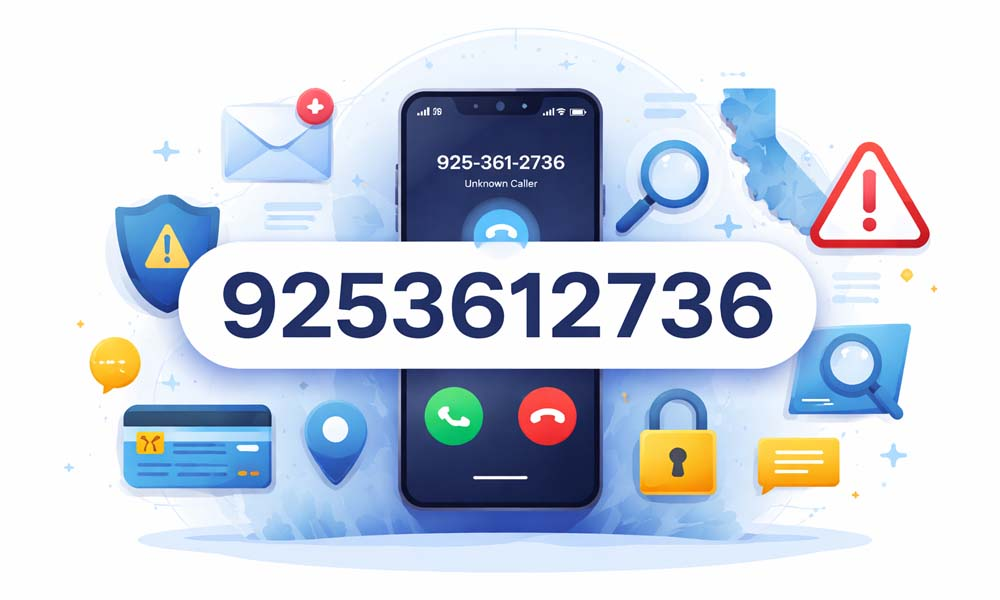

Unknown phone calls have become a major concern in today’s digital communication environment. Millions of people receive calls every day from unfamiliar numbers, and many of these calls create uncertainty, frustration, or concern about privacy and security. One number that frequently appears in online searches is 8332392133. Users usually search this number after receiving repeated missed calls, silent calls, or automated voice recordings that do not clearly identify the caller. In a time when robocalls and phone scams are increasing worldwide, understanding unfamiliar numbers has become an essential part of staying safe online.
Modern telecommunication systems have made communication faster and more efficient, but they have also opened the door for spam operations and fraudulent calling campaigns. Automated dialing systems can now contact thousands of users within minutes, making unwanted calls more common than ever before. Some of these calls are legitimate customer service communications, while others may be connected to robocalls, telemarketing systems, or scam activity. Because users often cannot immediately tell the difference, they increasingly rely on reverse phone lookup tools and online reporting platforms to verify unknown callers.
The growing awareness of digital fraud has changed how people respond to unknown calls. Many users no longer answer unfamiliar numbers automatically. Instead, they search online first to identify whether the number may be associated with spam, fraud, or robocall activity. This behavior reflects a larger shift toward digital safety awareness and personal data protection in modern communication systems.
What Is 8332392133 and Why Are Users Searching It?
The number 8332392133 is a toll-free style phone number that has generated online attention because users frequently report receiving unexpected calls from it. Toll-free numbers beginning with prefixes such as 833 are commonly used by customer support centers, businesses, service providers, and automated communication systems. However, because toll-free numbers are also used in telemarketing and spam campaigns, users often search them online before responding.
People typically search for 8332392133 after experiencing repeated missed calls, brief rings, or automated messages. Some users report calls that disconnect immediately after answering, while others mention prerecorded voice prompts requesting account verification or callback actions. These patterns often raise concerns about robocall activity or possible scam attempts.
The increasing number of searches related to unknown numbers demonstrates how communication habits have evolved. Instead of returning unknown calls directly, users now prefer to verify numbers through caller lookup services and community reports. This approach helps reduce the risk of fraud, phishing attempts, and identity theft.
Understanding the 833 Toll-Free Prefix
The 833 prefix belongs to the North American toll-free numbering system. Toll-free numbers are designed so that the caller is not charged for the call, making them useful for customer service departments, support centers, and national businesses. Numbers with the 833 prefix are therefore legitimate parts of modern telecom infrastructure.
However, scammers also use toll-free numbers because they appear trustworthy and professional. Many users associate toll-free numbers with official organizations, which increases the likelihood that they will answer the call. Fraudulent operations often exploit this trust by using toll-free numbers to imitate legitimate business communication.
The rise of internet-based calling systems has made toll-free numbers easier to obtain and operate. As a result, automated robocall systems and scam campaigns can use toll-free prefixes like 833 to create a sense of legitimacy while contacting large numbers of users simultaneously.
Why Unknown Calls Like 8332392133 Continue to Increase
Unknown calls have increased dramatically due to advancements in automated dialing technology. Predictive dialers and robocall systems can now place thousands of calls per hour without human involvement. These systems are widely used in telemarketing campaigns, customer outreach operations, and unfortunately, fraudulent scam activities.
When such systems are active, they often continue calling numbers that do not answer. This creates patterns of repeated missed calls or short rings from numbers like 8332392133. In some situations, calls disconnect immediately because the automated system has no available operator when the call is answered.
Another major reason unknown calls continue is the widespread availability of phone number databases. User information collected through registrations, surveys, subscriptions, and public listings may eventually enter marketing or third-party databases. Once a number is included in such systems, it can become part of repeated outreach campaigns.
How Robocalls and Automated Calling Systems Work
Robocalls are automated telephone calls generated by software systems that deliver prerecorded messages or transfer users to live agents. These systems are widely used in industries such as customer service, healthcare reminders, appointment confirmations, and payment notifications. Unfortunately, they are also heavily used in spam and scam operations.
Automated dialing systems work by rapidly contacting large lists of phone numbers and identifying which numbers are active. When a recipient answers, the system may either play a recorded message or connect the call to a live representative. If no operator is available, the call may disconnect instantly, creating the silent-call experiences many users report.
Scam robocalls often rely on urgency-based tactics. Messages may claim there are problems with financial accounts, unpaid bills, suspicious activity, or legal matters requiring immediate action. These strategies are designed to create emotional pressure and encourage users to respond quickly without verifying the caller’s legitimacy.
Caller ID Spoofing and Why It Creates Confusion
Caller ID spoofing is one of the biggest reasons unknown calls have become difficult to trust. Spoofing technology allows callers to display a different number on the recipient’s screen instead of their actual number. This means that a call appearing as 8332392133 may not truly originate from that number.
Scammers frequently spoof toll-free numbers because they resemble official business communication lines. When users see a professional-looking number, they are more likely to answer the call or trust the caller. Some scam operations even imitate banks, delivery services, government agencies, or customer support departments.
Because spoofing is difficult to detect, experts recommend independently verifying suspicious calls before responding. Instead of trusting caller ID information alone, users should contact organizations through official websites or verified support channels to confirm authenticity.
Common User Reports and Calling Patterns
Many users who search for 8332392133 describe similar call patterns. These include repeated missed calls, short-duration calls, silent connections, or prerecorded voice messages. Such patterns are commonly linked to predictive dialing systems or robocall software.
Some users report that answering the call results in immediate disconnection. This often occurs when automated systems are testing whether a phone number is active before routing it into larger marketing or outreach campaigns. Although this behavior does not always confirm fraud, it commonly increases user suspicion.
Online spam-reporting communities play an important role in helping users identify suspicious numbers. Shared reports from multiple users can reveal patterns that suggest telemarketing activity, robocalls, or potential scam operations connected to specific phone numbers.
Warning Signs of Scam and Spam Calls
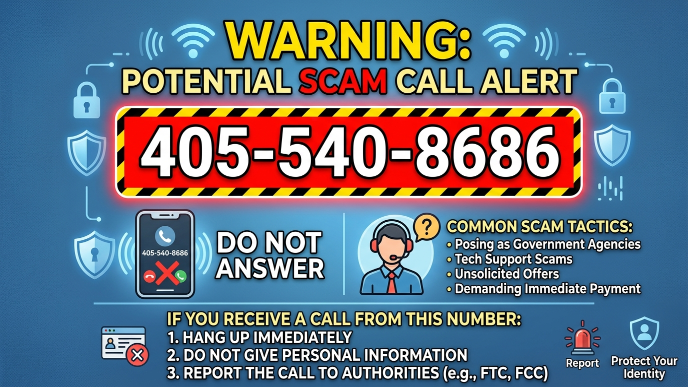
There are several warning signs users should recognize when receiving calls from numbers like 8332392133. One common indicator is urgency. Scam callers often pressure users to act immediately by claiming there is an emergency, account problem, or legal issue requiring instant attention.
Another major warning sign is requests for personal or financial information. Legitimate organizations rarely ask for passwords, verification codes, banking details, or payment information during unsolicited calls. Requests involving gift cards, cryptocurrency payments, or wire transfers are especially suspicious.
Additional warning signs include robotic voices, unnatural pauses, repeated silent calls, or aggressive communication tactics. These behaviors are frequently associated with automated systems or fraudulent operations rather than genuine customer support communication.
How to Protect Yourself From Unknown Calls
Protecting yourself from unknown numbers like 8332392133 requires a combination of caution and digital awareness. One of the safest practices is avoiding direct engagement with unfamiliar callers unless necessary. If the call is legitimate, the caller will usually leave a voicemail or follow up through official channels.
Users should never share personal or financial information during unsolicited calls. Even if the caller appears professional or claims to represent a trusted organization, verification is essential. Contacting the organization directly through verified customer service information is the safest approach.
Modern smartphones include spam filtering and call-blocking tools that help reduce unwanted calls. Many telecom providers also offer spam detection services that identify suspicious numbers before users answer. Reporting suspicious calls further improves collective protection against robocall campaigns and scam operations.
The Importance of Digital Communication Awareness
Phone scams and robocalls are now part of a larger cybersecurity issue affecting users worldwide. As communication technology evolves, scammers continue developing more advanced methods to manipulate trust and exploit users through phone systems.
Digital communication awareness has therefore become increasingly important. Understanding how robocalls, spoofing systems, and predictive dialers operate helps users identify suspicious behavior before becoming victims of fraud or identity theft.
Public education, spam-reporting communities, and advanced call-filtering technologies have improved phone safety significantly in recent years. However, staying informed remains critical because scam tactics continue adapting alongside new communication technologies and changing consumer habits.
Conclusion
The growing attention surrounding 8332392133 reflects a broader issue involving unknown calls, toll-free spam activity, robocalls, and phone-based scams. While not every unfamiliar number is harmful, the rise of caller ID spoofing and automated dialing systems has made users increasingly cautious about answering unknown calls.
Understanding how toll-free systems work, recognizing warning signs, and using safe communication habits can significantly reduce the risk of fraud. By staying informed, verifying callers independently, and using modern spam protection tools, users can better protect their privacy and navigate unknown calls safely in today’s digital world.