
What Is 111.09.150.182?
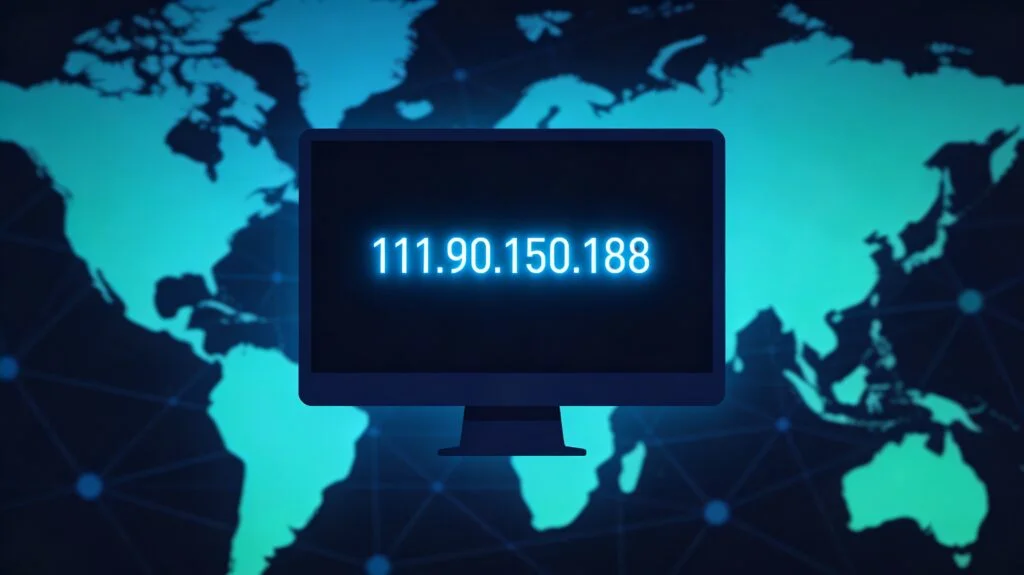
The IP address 111.09.150.182 is a standard IPv4 address, which means it is part of the system used to identify devices connected to the internet. Every device that accesses the web, whether it is a smartphone, computer, or server, is assigned an IP address to communicate with other systems. IPv4 addresses are numerical labels formatted into four sections separated by dots, making them easy for networks to interpret and route data efficiently.
This specific 111.09.150.182 IP address does not represent a single permanent device. Instead, it typically belongs to a network block controlled by an Internet Service Provider, meaning it may be dynamically assigned to different users over time. This dynamic nature is common in residential and mobile internet connections, where IP addresses change periodically for efficiency and security purposes.
Understanding what 111.09.150.182 represents requires looking beyond the number itself. It is not just an identifier but part of a broader system that enables communication, data exchange, and online services across the global internet.
How IP Addresses Like 111.09.150.182 Work
IP addresses function as the backbone of internet communication. When you visit a website, send an email, or stream a video, your device uses its IP address to send and receive data packets. Each packet contains information about its destination, ensuring that data reaches the correct location.
An address like 111.09.150.182 belongs to the IPv4 system, which is still widely used despite the growing adoption of IPv6. IPv4 addresses are limited in number, which is why many networks rely on techniques like Network Address Translation to allow multiple devices to share a single public IP.
In practical terms, this means that 111.09.150.182 could represent an entire network rather than a single user. It may be shared among multiple devices within a home, office, or mobile network, making it difficult to pinpoint an exact individual.
Geolocation and ISP Information of 111.09.150.182
One of the most common uses of an IP address is determining its geographical location and associated Internet Service Provider. Tools known as IP lookup services can estimate the country, region, and ISP linked to a given address. However, this information is not always precise and should be considered an approximation rather than an exact location.
For 111.09.150.182, geolocation data typically reflects the location of the ISP’s network infrastructure rather than the user’s exact physical position. This means the IP may appear to originate from a specific city or region, but the actual user could be located elsewhere within that network coverage.
Businesses use this type of information for content personalization, targeted advertising, and regional compliance. By understanding where users are likely located, companies can tailor their services to meet local preferences and regulations.
Common Uses of 111.09.150.182 in Digital Systems
IP addresses like 111.09.150.182 are used in a wide range of digital applications. They enable websites to respond to user requests, allow online services to function, and support communication between devices across networks. Without IP addresses, the internet as we know it would not exist.
In addition to basic communication, IP addresses are used in network management and troubleshooting. IT professionals analyze IP data to identify connectivity issues, monitor traffic patterns, and optimize system performance. This helps ensure that networks run smoothly and efficiently.
Another important use is in cybersecurity. Monitoring IP addresses allows organizations to detect unusual activity, such as unauthorized login attempts or suspicious traffic. By analyzing patterns associated with an IP, security teams can identify potential threats and take action to protect their systems.
Security Risks Associated with 111.09.150.182
While IP addresses are essential for connectivity, they can also pose security risks if not managed properly. An IP address like 111.09.150.182 can be used to track network activity, which may expose systems to potential threats such as hacking attempts or unauthorized access.
One common risk involves malicious actors targeting specific IP addresses to exploit vulnerabilities. This can include activities like distributed denial-of-service attacks, where a large volume of traffic is directed at a single IP to overwhelm a system. Monitoring and protecting IP addresses is therefore a critical aspect of cybersecurity.
However, it is important to note that an IP address alone does not reveal personal identity. It only provides information about the network and ISP. Identifying an individual user requires additional data and legal authorization, ensuring privacy protections are maintained.
Dynamic vs Static Nature of 111.09.150.182
IP addresses can be either static or dynamic, and understanding this distinction is crucial when analyzing 111.09.150.182. A static IP remains constant over time, while a dynamic IP changes periodically as assigned by the ISP.
Most residential and mobile connections use dynamic IP addresses, which means 111.09.150.182 may not always belong to the same user or device. This dynamic allocation helps optimize network resources and enhances security by making it harder to track individual users over time.
In contrast, businesses and servers often use static IP addresses for stability and reliability. These fixed addresses allow consistent access to services such as websites, email servers, and remote connections. The type of IP determines how it is used and how easily it can be tracked.
How to Check and Analyze 111.09.150.182
If you encounter an IP address like 111.09.150.182, there are several ways to analyze it. IP lookup tools provide information about the address, including its location, ISP, and potential risk factors. These tools are widely used by both individuals and professionals.
Another method involves using network diagnostic tools such as ping and traceroute. These tools help determine connectivity, latency, and the path data takes through the network. This information is valuable for troubleshooting and performance optimization.
Advanced users may also check whether an IP address appears on security blacklists. These lists track addresses associated with spam, malware, or other suspicious activities, helping organizations identify potential threats and take preventive measures.
Misconceptions About IP Addresses Like 111.09.150.182
There are many misconceptions about IP addresses, and 111.09.150.182 is no exception. One common belief is that an IP address can reveal a person’s exact identity or location. In reality, it only provides general information about the network and ISP.
Another misconception is that IP addresses are permanent. As discussed earlier, many IPs are dynamic and change frequently. This means that the same address may be used by different users at different times, making it unreliable for long-term identification.
People also often assume that seeing an unfamiliar IP address indicates malicious activity. While this can sometimes be true, most unknown IPs are simply part of normal internet traffic. Proper analysis is required before drawing conclusions.
Importance of IP Addresses in Modern Internet Infrastructure
IP addresses like 111.09.150.182 are fundamental to the functioning of the internet. They enable devices to communicate, support online services, and ensure data is delivered accurately. Without them, digital communication would not be possible.
In addition to connectivity, IP addresses play a key role in data analytics and business strategy. Companies use IP data to understand user behavior, improve services, and enhance customer experiences. This information is essential for making informed decisions in a competitive digital landscape.
From a technical perspective, IP addresses are also critical for routing data efficiently across networks. They ensure that information travels through the most effective paths, reducing latency and improving performance.
Final Thoughts on 111.09.150.182
The IP address 111.09.150.182 may appear as just a string of numbers, but it represents an essential component of the internet’s infrastructure. It serves as an identifier that enables communication, supports digital services, and contributes to network security.
While it can provide useful insights into location and network behavior, it does not reveal personal identity or precise details about individual users. Understanding this distinction is important for both privacy and security.
In conclusion, learning about IP addresses like 111.09.150.182 helps users better understand how the internet works and how to protect themselves online. By using reliable tools and following best practices, individuals and organizations can leverage IP data effectively while maintaining security and privacy.