

Kabaddi is one of the oldest and most physically demanding sports in the world. Known for its unique blend of strength, speed, agility, strategy, and teamwork, kabaddi has evolved from a traditional rural game into an internationally recognized competitive sport. Although it originated in South Asia, kabaddi is now played across multiple continents and continues to attract millions of players and fans. According to historical sports records, kabaddi has been played for centuries and is deeply connected to cultural traditions, physical training, and community competition.
What makes kabaddi different from most modern sports is its simplicity. The game does not require expensive equipment, making it accessible to people from different economic backgrounds. Despite this simplicity, kabaddi demands exceptional athletic ability, quick thinking, and perfect coordination between teammates. Over the years, professional leagues, international tournaments, and television broadcasting have transformed the sport into a global spectacle.
Today, kabaddi represents more than just a game. It symbolizes discipline, courage, resilience, and teamwork. From village grounds to international arenas, the sport continues to inspire new generations of athletes while preserving its traditional roots.
The Ancient Origin and Historical Development of Kabaddi
The roots of kabaddi stretch back thousands of years. Historians and sports researchers believe that the game originated in ancient India where it was used as a form of physical training and self-defense practice. Ancient stories and regional folklore often connect kabaddi to warrior traditions that emphasized strength, reflexes, endurance, and strategic thinking. Some historical references even associate the sport with episodes described in the Mahabharata, one of the oldest Indian epics.
Over time, the sport spread throughout different regions of South Asia, including present-day India, Pakistan, Bangladesh, Nepal, and Sri Lanka. Each region developed slight variations in gameplay, but the central concept remained unchanged. A player entered the opponent’s area, attempted to score points, and returned safely while avoiding capture. The simplicity of the rules allowed the sport to thrive in both rural and urban communities.
The formal development of kabaddi began during the early twentieth century when organized sports bodies started creating standardized rules. Maharashtra played a major role in this process, with formal regulations published in 1923. These developments helped transform kabaddi from a local pastime into a structured competitive sport.
Understanding the Basic Rules of Kabaddi
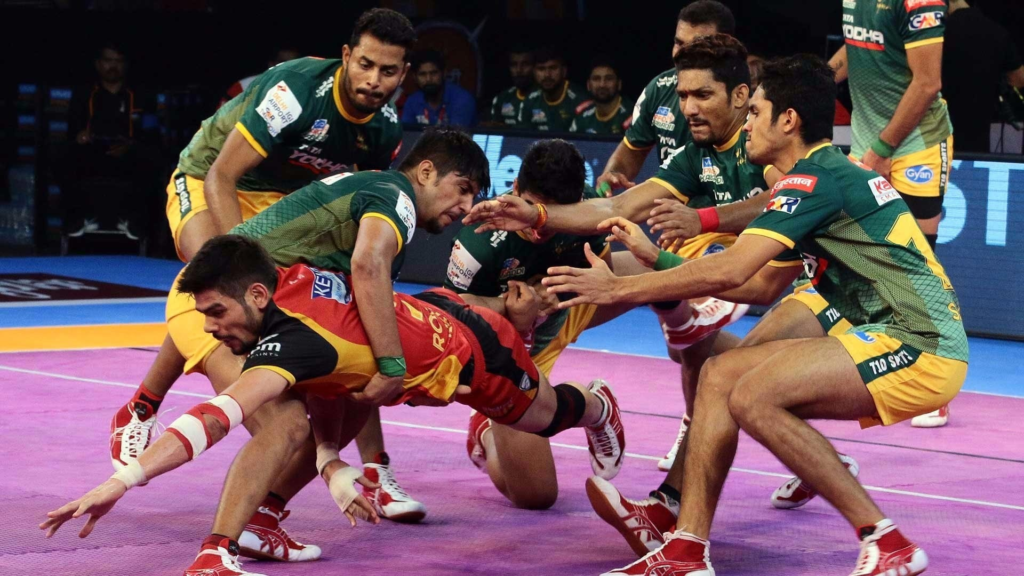
Kabaddi is played between two teams positioned on opposite halves of a court. Each team attempts to score points through offensive raids and defensive tackles. The game revolves around a player called the raider, who enters the opponent’s side and attempts to touch defenders before returning safely to their own half.
One of the most unique aspects of kabaddi is the requirement that the raider continuously chant “kabaddi” during the raid without taking a breath. This rule tests lung capacity, concentration, and endurance while adding excitement for spectators. If the raider successfully tags defenders and returns safely, points are awarded to the attacking team.
Defenders work together to stop the raider by grabbing, blocking, or tackling them before they return. Successful defensive actions earn points and shift momentum within the match. Because both offense and defense are equally important, kabaddi requires complete team coordination and constant tactical awareness.
Physical Fitness and Athletic Skills Required in Kabaddi
Kabaddi is often considered one of the most physically demanding team sports because players must combine strength, speed, flexibility, stamina, and balance. Every movement requires explosive energy and precise timing. Athletes spend years developing the physical abilities necessary to compete at higher levels.
Raiders rely heavily on agility and acceleration. They must quickly enter and exit the opponent’s territory while avoiding multiple defenders. Sharp footwork, body control, and rapid direction changes are essential skills that help raiders escape difficult situations and score points.
Defenders require a different set of athletic qualities. Strength, coordination, and reaction speed are crucial because defenders often need to stop powerful raiders within seconds. Successful defensive units operate as a single system where every player understands their role and positioning.
Different Styles and Formats of Kabaddi
Although the modern standard version of kabaddi is the most widely recognized format, the sport exists in several forms. Different regions developed unique styles that reflect local traditions and playing environments.
Standard Style Kabaddi is the format used in major international competitions and professional leagues. Matches are played on a rectangular court with seven players on each side. This version emphasizes tactical gameplay, structured defense, and organized team strategies.
Circle Style Kabaddi remains extremely popular in parts of Punjab and neighboring regions. Instead of a rectangular court, the game is played within a circular field. This version often places greater emphasis on individual strength, tackling ability, and direct physical contests between players. Despite their differences, both formats preserve the fundamental spirit of kabaddi.
Kabaddi’s Growth Beyond South Asia
For many years kabaddi remained primarily concentrated within South Asia. However, the sport gradually expanded to other regions through migration, cultural exchange, and international sporting events. Countries across Europe, North America, Africa, and the Middle East now participate in organized kabaddi competitions.
International exposure increased significantly after kabaddi was demonstrated during the 1936 Berlin Olympics and later included in major regional sporting events. The formation of international governing bodies and national federations further accelerated global participation.
Today, nations including Iran, Canada, the United Kingdom, Japan, Thailand, Kenya, and several European countries actively promote kabaddi through leagues, development programs, and international tournaments. This expansion has helped introduce the sport to entirely new audiences while increasing its competitive standards.
Professional Leagues and the Modern Transformation of Kabaddi
The rise of professional kabaddi leagues dramatically changed the sport’s visibility and commercial success. Organized competitions introduced better infrastructure, advanced training methods, sponsorship opportunities, and professional broadcasting.
Professional leagues transformed kabaddi into a mainstream entertainment product that could compete with other major sports for television audiences. Modern arenas, digital scoreboards, advanced statistics, and professional production improved the viewing experience and attracted younger fans.
This professional environment also benefited athletes. Players gained access to specialized coaching, fitness programs, sports science support, and financial opportunities that were previously unavailable. As a result, the overall quality of competition increased significantly.
Strategy, Teamwork and Tactical Intelligence in Kabaddi
Although physical strength plays an important role, kabaddi is equally a game of strategy and decision-making. Successful teams spend considerable time studying opponents and developing tactical plans for different situations.
Raiders analyze defensive weaknesses and identify opportunities to score points while minimizing risk. Timing, deception, and anticipation are often more valuable than raw speed. Experienced raiders learn how to manipulate defensive positioning and create openings during critical moments.
Defenders rely heavily on communication and coordinated movement. Every player must react instantly to the raider’s actions while maintaining proper formation. A single mistake can create scoring opportunities for the opposing team. This tactical complexity makes kabaddi far more sophisticated than many people initially realize.
Famous Kabaddi Players and Their Influence on the Sport
Throughout the history of kabaddi, several athletes have achieved legendary status due to their exceptional performances and contributions to the sport. These players helped raise the profile of kabaddi and inspired younger generations to pursue professional careers.
Elite raiders are often admired for their creativity, courage, and ability to score under pressure. Defenders earn recognition for their strength, leadership, and consistency. Together, these athletes create memorable moments that attract fans and generate excitement around major competitions.
Many successful players now participate in coaching, mentoring, and promotional activities that support the development of kabaddi at grassroots and professional levels. Their influence continues to shape the future of the sport both on and off the court.
Challenges and Opportunities for Global Expansion
Despite its impressive growth, kabaddi still faces challenges as it seeks greater international recognition. One of the biggest obstacles is limited global awareness compared to sports such as football, basketball, and cricket. Many regions remain unfamiliar with the rules and competitive structure of kabaddi.
Discussions among fans and sports communities often highlight the need for stronger international tournaments, expanded broadcasting, and broader youth development programs. Several enthusiasts believe the sport possesses all the qualities necessary for wider global success if investment and promotion continue to increase.
At the same time, opportunities remain enormous. Growing participation in Europe, Africa, Southeast Asia, and the Middle East demonstrates that kabaddi can attract diverse audiences. New formats, improved media coverage, and international leagues may further accelerate this process.
The Future of Kabaddi in the International Sports World
The future of kabaddi appears highly promising. International federations, professional leagues, and national organizations continue investing in player development, coaching programs, and tournament structures. These efforts are helping the sport reach new markets and audiences every year.
Recent developments such as international world competitions, regional championships, and emerging professional leagues indicate growing confidence in kabaddi’s long-term potential. New initiatives are also focusing on youth participation and grassroots expansion, ensuring a strong foundation for future generations.
Technological advancements have also contributed to growth. Digital streaming, social media engagement, performance analytics, and modern broadcasting allow fans worldwide to follow matches and players more easily than ever before. These innovations continue to strengthen kabaddi’s global presence.
Conclusion
Kabaddi stands as one of the most unique and exciting sports in the world. Combining strength, speed, endurance, intelligence, and teamwork, the game has successfully evolved from an ancient traditional activity into a modern international competition. Its rich history, cultural significance, and thrilling gameplay continue to attract players and fans across multiple continents.
From its early roots in South Asia to its expansion into global sporting arenas, kabaddi has demonstrated remarkable resilience and adaptability. Professional leagues, international tournaments, and growing youth participation have positioned the sport for continued success in the coming years.
As awareness increases and new opportunities emerge, kabaddi is likely to become even more influential on the world stage. Its blend of tradition and modern competition ensures that it will remain an important part of global sports culture for generations to come.